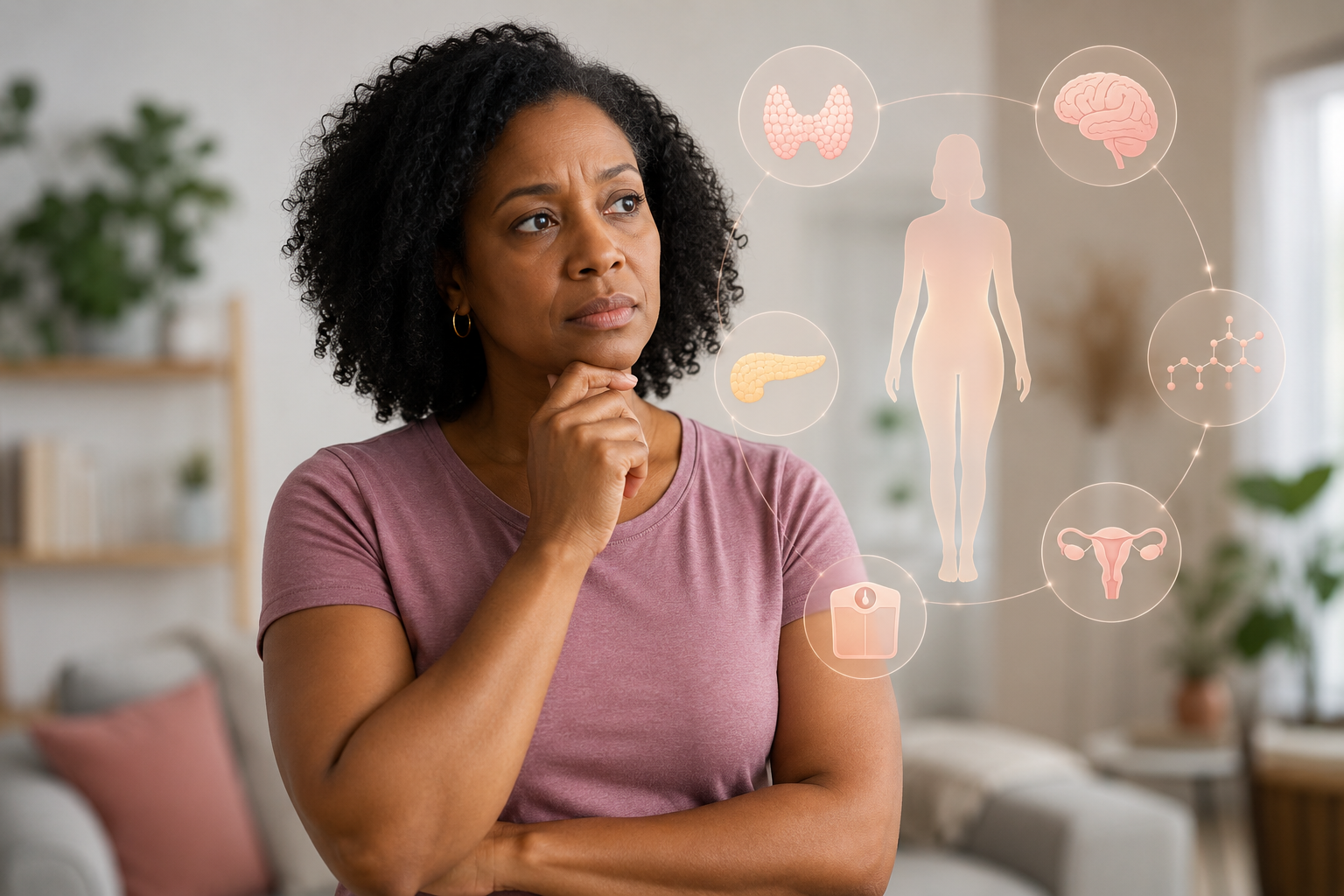
Hormones play an important role in almost every function of your body. They influence your metabolism, appetite, mood, sleep, growth, reproductive health, and how your body stores fat. Even a small change in hormone levels can affect how you feel and how your body works.
Many people struggle with unexplained weight gain despite eating well and staying active. While diet and exercise are often the first things to consider, hormones can also be part of the picture. Conditions such as hypothyroidism, insulin resistance, and menopause can change the way your body burns calories or stores fat.
The good news is that hormonal weight gain is often manageable once the underlying cause is identified. Understanding how hormones work can help you recognize symptoms early and seek the right treatment.
In this guide, you’ll learn what hormonal imbalance is, how it can affect body weight, the hormones involved, common symptoms, causes, diagnosis, treatment options, and lifestyle changes that support healthy hormone function.
What Is Hormonal Imbalance?
Hormonal imbalance happens when your body produces too much or too little of one or more hormones. Hormones are chemical messengers made by glands in the endocrine system. They travel through the bloodstream and tell different organs and tissues what to do.
Your endocrine system includes several glands, such as:
- Thyroid gland
- Pituitary gland
- Adrenal glands
- Pancreas
- Ovaries
- Testes
- Hypothalamus
These glands work together to keep hormone levels within a healthy range. When one gland does not function properly, it can affect several hormones at the same time.
Hormonal changes naturally occur during puberty, pregnancy, menopause, and aging. However, medical conditions, certain medications, chronic stress, and lifestyle habits can also disrupt hormone balance.
A review published in Endotext (NCBI Bookshelf) explains that obesity and hormonal regulation are closely connected. Hormones involved in appetite, metabolism, and energy balance can influence body weight, while excess body fat can also alter hormone production and signaling, creating a cycle that may contribute to further weight gain.
How Do Hormones Affect Body Weight?
Body weight is controlled by more than the number of calories you eat. Hormones help regulate several processes that determine whether your body burns energy or stores it as fat.
These processes include:
- Hunger and fullness
- Metabolism
- Blood sugar regulation
- Fat storage
- Muscle growth
- Energy expenditure
- Sleep quality
- Stress response
When hormone levels remain balanced, these systems work together efficiently. When hormone levels become abnormal, your body may burn fewer calories, store more fat, increase hunger, or reduce energy levels, making weight management more difficult.
It is important to understand that hormones are usually one factor among many. Weight gain often results from a combination of genetics, lifestyle, age, medical conditions, and hormonal health.
Hormones That Affect Weight
Several hormones play a direct role in body weight and metabolism.
Thyroid Hormones
The thyroid gland produces hormones that control your metabolic rate.
If the thyroid becomes underactive, a condition known as hypothyroidism, metabolism slows down. This can lead to gradual weight gain, fatigue, dry skin, constipation, and feeling cold more often.
According to the Mayo Clinic, hypothyroidism can slow metabolism and lead to weight gain. Treatment usually involves the thyroid hormone replacement medicine levothyroxine, which helps bring thyroid hormone levels back into a healthy range and improve symptoms. Weight changes after treatment can vary from person to person.
Insulin
Insulin is produced by the pancreas and helps move glucose from the bloodstream into cells for energy.
When the body becomes resistant to insulin, blood sugar remains elevated. The pancreas produces even more insulin to compensate, and high insulin levels may encourage fat storage, especially around the abdomen.
Insulin resistance is common in people with obesity, prediabetes, and type 2 diabetes.
Cortisol
Cortisol is commonly called the stress hormone.
It helps your body respond to physical and emotional stress. Short-term increases are normal and necessary. However, long-term elevated cortisol may increase appetite, cravings for high-calorie foods, and abdominal fat accumulation.
Research suggests chronic stress may contribute to weight gain through changes in cortisol production and eating behavior.
Leptin
Leptin is produced by fat cells and tells the brain when the body has enough stored energy.
In many people with obesity, leptin levels are actually high. However, the brain may stop responding properly to leptin, a condition known as leptin resistance. This can make people feel hungry even when they have enough stored fat.
Ghrelin
Ghrelin is often called the hunger hormone.
It rises before meals and falls after eating. Poor sleep, dieting, and certain health conditions can increase ghrelin levels, leading to greater hunger.
Estrogen
Estrogen affects body fat distribution, metabolism, and reproductive health.
During menopause, estrogen levels naturally decline. Many women notice increased abdominal fat and changes in body composition during this time.
According to The Menopause Society, aging is the main cause of midlife weight gain, while hormonal changes during menopause contribute to a shift in body fat distribution, leading to more abdominal fat. Physical activity and healthy eating also remain important factors in managing weight.
Testosterone
Testosterone supports muscle mass and fat metabolism in both men and women.
Low testosterone levels in men can reduce muscle mass, decrease energy expenditure, and increase body fat over time.
Growth Hormone
Growth hormone helps maintain muscle tissue and supports fat metabolism.
Low growth hormone levels can reduce lean muscle mass and contribute to increased fat accumulation, although true deficiency is relatively uncommon in adults.
Can Hormonal Imbalance Cause Weight Gain?
Yes, hormonal imbalance can contribute to weight gain, but it is rarely the only reason.
Hormones influence how your body uses energy, stores fat, controls hunger, and maintains muscle mass. When these systems are disrupted, losing weight may become more difficult even if your eating habits have not changed significantly.
However, it is important to remember that hormonal imbalance does not automatically cause obesity. Most people gain weight because of a combination of factors, including diet, physical activity, sleep, stress, genetics, medications, and underlying health conditions.
Certain hormone-related disorders are more strongly associated with weight gain than others.
Hypothyroidism
An underactive thyroid slows metabolism, meaning your body uses fewer calories at rest. People with hypothyroidism may notice gradual weight gain, fatigue, constipation, dry skin, and increased sensitivity to cold.
Insulin Resistance
Insulin resistance causes the body to produce more insulin to keep blood sugar under control.
High insulin levels encourage the body to store more fat, particularly around the waist. Over time, insulin resistance may lead to prediabetes and type 2 diabetes if left untreated.
Polycystic Ovary Syndrome (PCOS)
PCOS is one of the most common hormonal disorders affecting women of reproductive age.
Many women with PCOS develop insulin resistance, making weight management more challenging. Other symptoms include irregular periods, acne, excessive facial or body hair, thinning scalp hair, and difficulty becoming pregnant.
Menopause
Many women notice gradual weight gain during the years leading up to and after menopause.
Lower estrogen levels can shift body fat toward the abdomen, while age-related muscle loss may reduce daily calorie needs. These changes make maintaining a healthy weight more difficult without adjustments to diet and physical activity.
Cushing Syndrome
Cushing syndrome occurs when the body is exposed to high cortisol levels for a prolonged period.
This condition is uncommon but can cause rapid weight gain, especially around the face, upper back, and abdomen. Other symptoms include easy bruising, muscle weakness, purple stretch marks, and high blood pressure.
Common Symptoms of Hormonal Imbalance
Weight gain is only one possible sign of hormonal imbalance. Symptoms vary depending on which hormone is affected.
Common symptoms include:
- Unexplained weight gain or difficulty losing weight
- Constant fatigue
- Increased hunger or food cravings
- Mood changes, anxiety, or depression
- Trouble sleeping
- Hair thinning or hair loss
- Dry skin
- Constipation
- Irregular menstrual cycles
- Reduced sex drive
- Muscle weakness
- Increased belly fat
- Feeling unusually cold or hot
- Brain fog or difficulty concentrating
Many of these symptoms can also occur with other medical conditions. That is why proper evaluation by a healthcare provider is important.
What Causes Hormonal Imbalance?
Several health conditions and lifestyle factors can affect hormone production.
Thyroid Disorders
Both hypothyroidism and hyperthyroidism affect metabolism, although hypothyroidism is more commonly associated with weight gain.
Diabetes and Insulin Resistance
Problems with insulin production or insulin sensitivity can change how the body stores energy and regulates blood sugar.
Polycystic Ovary Syndrome
PCOS affects hormone production in the ovaries and often involves elevated androgen levels and insulin resistance.
Menopause
Natural declines in estrogen affect metabolism, body composition, and fat distribution.
Chronic Stress
Long-term stress may increase cortisol levels and encourage emotional eating, poor sleep, and abdominal fat accumulation.
Poor Sleep
Sleep deprivation affects several hormones involved in appetite regulation, including leptin and ghrelin.
A landmark study published in PLoS Medicine found that short sleep duration lowers leptin levels while increasing ghrelin, leading to greater hunger and appetite. These hormonal changes may increase the risk of weight gain over time.
Certain Medications
Some medications may influence hormone levels or contribute to weight gain, including:
- Corticosteroids
- Certain antidepressants
- Some diabetes medications
- Hormonal contraceptives in some individuals
- Antipsychotic medications
Never stop taking prescribed medication without speaking to your healthcare provider first.
Pituitary or Adrenal Disorders
Although less common, disorders affecting the pituitary or adrenal glands can disrupt multiple hormones and lead to widespread symptoms.
How Is Hormonal Imbalance Diagnosed?
Diagnosing hormonal imbalance begins with a detailed medical history and physical examination.
Your healthcare provider will ask about:
- Weight changes
- Menstrual history
- Family medical history
- Sleep habits
- Stress levels
- Current medications
- Diet and exercise routine
- Other symptoms such as fatigue, hair loss, or mood changes
Depending on your symptoms, your doctor may recommend:
- Blood tests to measure hormone levels
- Thyroid function tests
- Blood sugar and insulin testing
- Cholesterol testing
- Ultrasound of the ovaries for suspected PCOS
- MRI scans if pituitary disorders are suspected
- Cortisol testing when Cushing syndrome is a concern
Not everyone with weight gain needs hormone testing. Doctors usually order specific tests based on symptoms and medical history rather than screening every hormone.
Treatment Options for Hormonal Imbalance and Weight Gain
Treatment depends on the hormone involved and the underlying cause. The goal is not only to lose weight but also to restore healthy hormone function and reduce long-term health risks.
Thyroid Treatment
If you have hypothyroidism, your doctor may prescribe thyroid hormone replacement medicine. This helps bring thyroid hormone levels back into a normal range.
Once thyroid levels improve, energy, metabolism, and some weight-related symptoms may also improve.
Blood Sugar and Insulin Support
For insulin resistance, prediabetes, or type 2 diabetes, treatment may include:
- A balanced eating plan
- Regular physical activity
- Weight management support
- Blood sugar monitoring
- Medication when needed
Improving insulin sensitivity can help the body use glucose more effectively and reduce excess fat storage.
PCOS Treatment
PCOS treatment may include lifestyle changes, cycle management, acne or hair growth treatment, and medications to support insulin sensitivity.
Healthy weight loss, even in small amounts, may help improve menstrual regularity and insulin resistance in some women with PCOS.
Menopause Support
Menopause-related weight gain is often managed through strength training, healthy eating, better sleep, and stress control.
Hormone therapy may help certain menopause symptoms, but it is not mainly used as a weight loss treatment. Your doctor can help you understand the risks and benefits based on your health history.
Cushing Syndrome Treatment
Cushing syndrome needs medical care. Treatment may involve adjusting steroid medication, surgery, radiation, or medication depending on the cause.
Because this condition can cause serious complications, it should be evaluated by an endocrinologist.
Lifestyle Tips to Support Hormone Balance
Lifestyle changes cannot fix every hormonal disorder, but they can support better hormone function and help with weight management.
Eat Enough Protein
Protein supports muscle mass, fullness, and metabolism.
Good protein sources include eggs, fish, chicken, Greek yogurt, lentils, beans, tofu, and lean meat.
Choose High-Fiber Carbohydrates
Fiber helps slow digestion, supports blood sugar control, and promotes fullness.
Try adding more vegetables, fruits, beans, oats, whole grains, nuts, and seeds.
Strength Train Regularly
Muscle tissue burns more energy than fat tissue. Strength training can help protect muscle mass, especially during aging and menopause.
Aim for a simple routine that includes major muscle groups two or more days per week.
Prioritize Sleep
Poor sleep can affect hunger hormones and increase cravings.
Try to keep a regular sleep schedule, reduce screen time before bed, and create a calm bedtime routine.
Manage Stress
Chronic stress can affect cortisol, sleep, appetite, and eating patterns.
Helpful stress habits may include walking, breathing exercises, prayer, journaling, stretching, therapy, or spending time outside.
Limit Ultra-Processed Foods
Ultra-processed foods are often high in added sugar, refined carbs, unhealthy fats, and calories. These foods can make blood sugar control and appetite regulation harder.
Focus more on whole foods that keep you full and provide steady energy.
Avoid Extreme Dieting
Very low-calorie diets may increase hunger, lower energy, and make long-term weight management harder.
A steady, realistic plan is usually better than quick weight loss.
When to See a Doctor
See a healthcare provider or hormone specialist if you have unexplained weight gain along with symptoms such as:
- Severe fatigue
- Irregular periods
- Hair loss
- New acne or facial hair growth
- Rapid belly weight gain
- Purple stretch marks
- Muscle weakness
- High blood pressure
- Feeling very cold
- Depression or mood changes
- Trouble getting pregnant
- Increased thirst or urination
You should also seek medical advice if you are gaining weight quickly without a clear reason, or if lifestyle changes are not helping.
A doctor can check for thyroid disease, insulin resistance, PCOS, menopause-related changes, adrenal conditions, and other possible causes.
Conclusion
Hormonal imbalance can affect weight, but it is usually only one part of the bigger picture. Hormones such as thyroid hormones, insulin, cortisol, estrogen, testosterone, leptin, and ghrelin influence metabolism, hunger, fat storage, sleep, and energy levels.
If you are gaining weight without a clear reason, especially with symptoms like fatigue, irregular periods, hair loss, belly fat, mood changes, or blood sugar problems, it may be worth speaking with a healthcare provider.
With the right diagnosis, treatment, and lifestyle support, many hormone-related weight issues can be managed. The best approach is to find the root cause instead of relying on quick fixes.
Medical Disclaimer
This article is for informational purposes only and does not replace professional medical advice, diagnosis, or treatment. Always speak with a qualified healthcare provider about symptoms, hormone testing, medication, weight changes, or any health concerns.